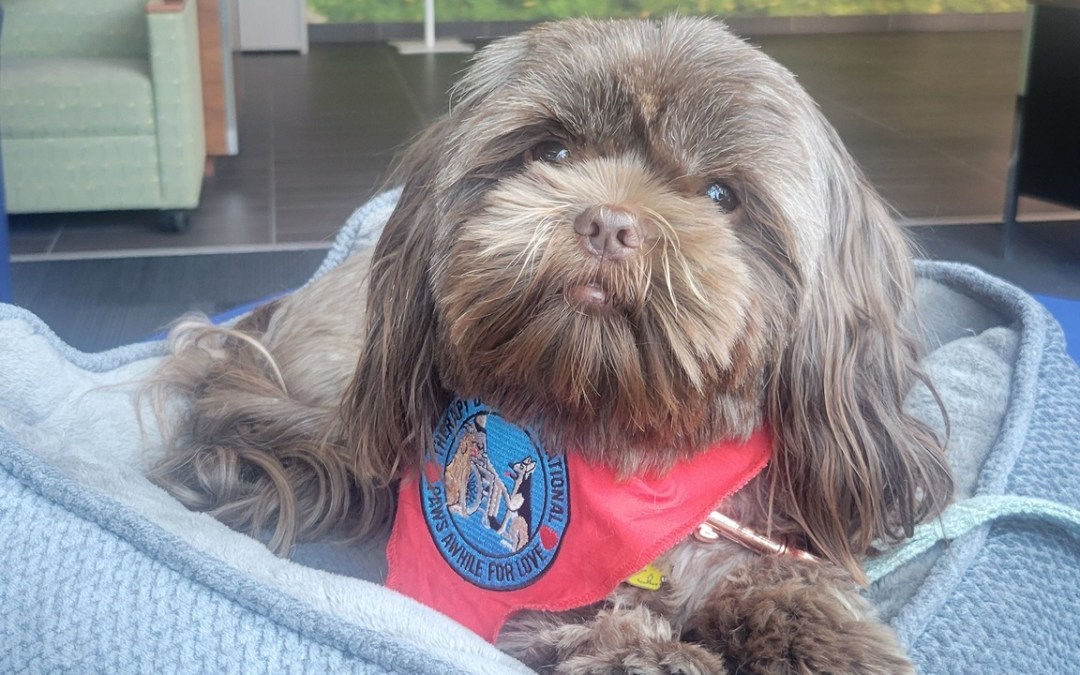
Understanding the Differences: Therapy Dogs, Service Dogs, and Emotional Support Animals
As the presence of dogs in public settings continues to rise, it’s common for people to wonder about the specific roles these animals play. Are all dogs that provide comfort allowed in public spaces? Can your dog be trained to accompany you into restaurants or on airplanes? What’s the difference between therapy dogs, service dogs, and emotional support animals (ESAs)?
These are questions we hear regularly—especially now, as we’ve just kicked off the first week of our Therapy Dog Prep Class at The Noble Beast Dog Training. Many people inquire about this class with the assumption that a therapy dog can go anywhere a service dog can, or they aren’t quite sure which category their dog might fit into. This confusion is completely understandable given the overlapping qualities of these roles—but the differences are important, especially when it comes to legal rights and training requirements.
In this blog, we’ll break down the definitions, legal designations, and training paths for each of these types of assistance animals. We’ll also explain how you can get started on the right foot if you’re interested in pursuing therapy work with your dog—or just want a well-mannered companion with a strong foundation in obedience.
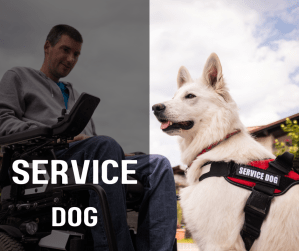 Service Dogs
Definition and Purpose
A service dog is trained to perform specific tasks that assist a person with a disability. This includes both physical disabilities (like mobility impairments or visual impairments) and invisible disabilities (such as PTSD, diabetes, or seizures). These dogs are considered medical equipment under the Americans with Disabilities Act (ADA)
Legal Access
Service dogs have the broadest legal protections. They are allowed to accompany their handler in almost all public spaces, including:
- Restaurants
- Airplanes
- Stores
- Hospitals
- Hotels
Under the ADA, businesses may only ask two questions:
- Is the dog a service animal required because of a disability?
- What work or task has the dog been trained to perform?
Training Requirements
Service dogs must be individually trained to do work or perform tasks related to the person’s disability. They must also exhibit impeccable public manners and obedience. Although no official certification is required, the training process is extensive and often takes 1-2 years.
 Emotional Support Animals (ESAs)
Definition and Purpose
An emotional support animal provides comfort and emotional stability to a person with a mental health condition or emotional disorder. ESAs do not require specialized task training like service dogs, but their presence alone helps mitigate symptoms of conditions such as anxiety, depression, or PTSD.
Legal Access
ESAs have more limited legal protections compared to service dogs. They are not granted public access rights under the ADA, which means they:
-
Cannot enter stores, restaurants, or other public spaces
-
May be allowed in housing under the Fair Housing Act
-
May be allowed on airplanes only under specific circumstances and with airline approval (as of changes made in 2021, ESAs are no longer considered service animals under the Air Carrier Access Act)
Requirements
To qualify for an ESA, a licensed mental health professional must provide a prescription or letter stating the animal is part of the treatment plan. There is no training requirement, but basic obedience is highly encouraged to ensure the dog behaves appropriately in homes and around others.
 Therapy Dogs
Definition and Purpose
A therapy dog is trained to provide comfort and affection to people in institutional settings such as hospitals, nursing homes, schools, and disaster relief areas. These dogs are part of a volunteer team (dog and handler) that brings joy and support to others.
Unlike service dogs, therapy dogs are not trained to assist one specific person, and they are not granted access rights under the ADA.
Legal Access
Therapy dogs:
-
Do not have public access rights
-
May only enter facilities they have been invited to by prior arrangement (e.g., a hospital or school that partners with a therapy dog organization)
Training and Certification
While therapy dogs are not required to have service-level training, they do need to be exceptionally well-behaved, calm, and sociable. Many therapy dog programs require dogs to:
-
Pass the Canine Good Citizen (CGC) test
-
Complete a therapy dog preparation course
-
Undergo evaluations with recognized organizations such as Pet Partners or Alliance of Therapy Dogs
Because therapy dogs will encounter many different environments, people, and stressors, solid obedience skills and confidence in a variety of situations are key.
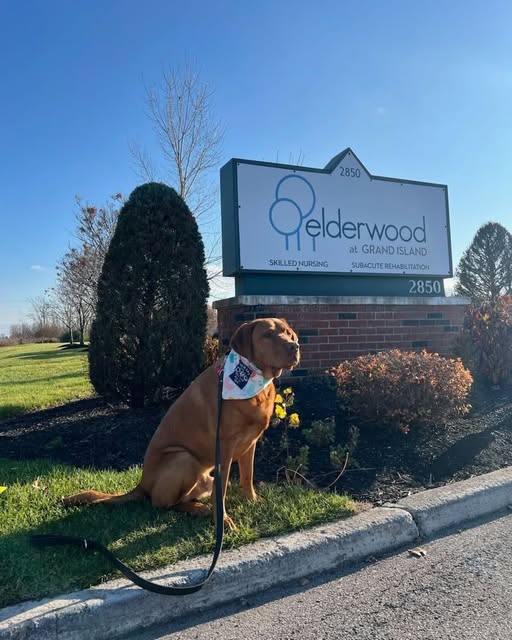
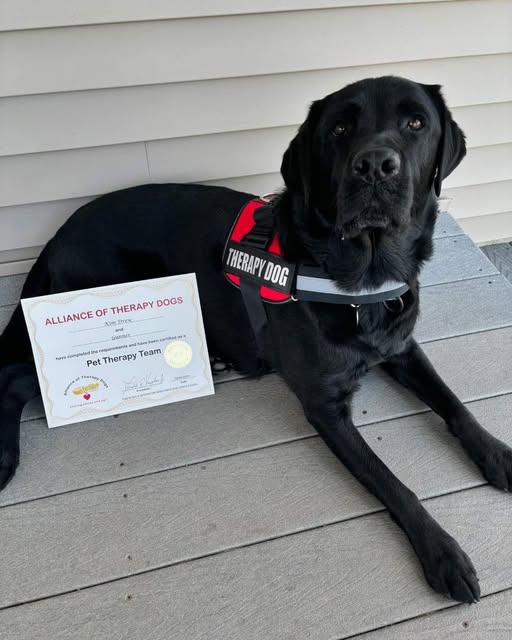
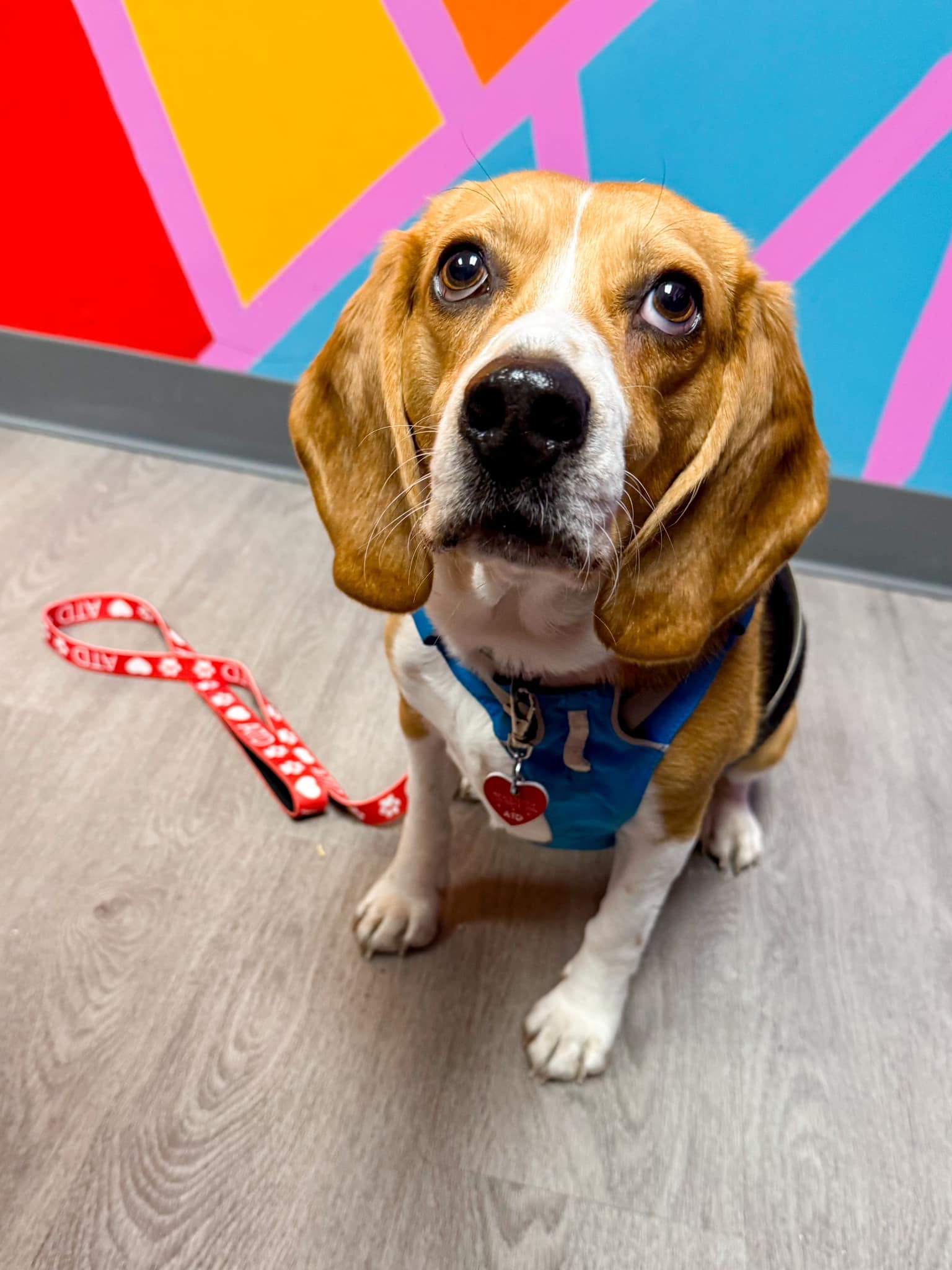
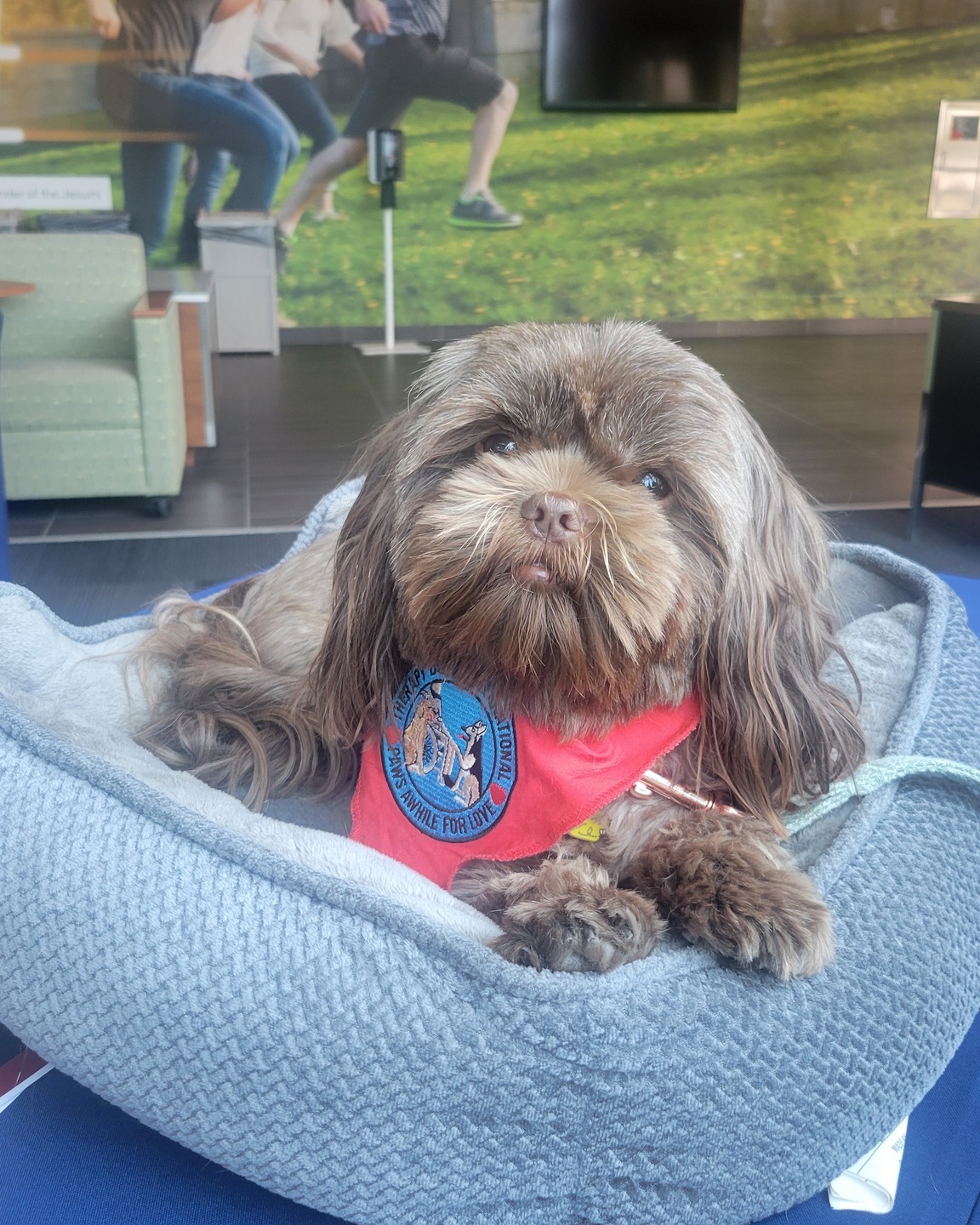
Therapy Dog Teams at TNB Open House 2024
Which Role is Right for Your Dog?
Determining whether your dog is best suited as a therapy, service, or emotional support animal depends on:
-
Your personal needs or goals
-
Your dog’s temperament and trainability
-
The amount of time and effort you’re willing to put into training
Here’s a quick comparison chart:
| Category | Requires Task Training | Public Access | Requires Certification | Primary Purpose |
|---|---|---|---|---|
| Service Dog | Yes | Yes (ADA) | No (but highly recommended) | Assisting handler with a disability |
| ESA | No | No (limited housing protections) | ESA letter from a therapist | Emotional support for owner |
| Therapy Dog | No (but obedience is a must) | No (facility-invited access only) | Often, yes | Providing comfort to others |
Download this chart as a handout.
Starting Your Training Journey
Whether your end goal is to volunteer with your dog as a therapy team, pursue service dog training, or just have a polite and well-mannered companion, a strong obedience foundation is essential.
At The Noble Beast Dog Training, we recommend beginning with our House Dog Obedience (HDO) Levels 1–3, which focus on essential skills like:
- Loose leash walking
- Focus and impulse control
- Reliable recalls
- Settling in public settings
You can learn more about our obedience program here:
🔗 House Dog Obedience Levels 1-3
From there, we suggest testing for the Canine Good Citizen (CGC) title, which is a common requirement for therapy dog certification organizations. Learn about our CGC prep and testing options here:
🔗 Canine Good Citizen Classes
And if you’re interested in becoming a therapy dog team, check out our current or upcoming offerings, including our brand-new Therapy Dog Preparation Class.
🔗 Specialty Classes – Therapy Dog Prep & More
You can join the waitlist for the next session or explore other specialty training options like scent detection or canine fitness.



Final Thoughts
Therapy dogs, service dogs, and emotional support animals all bring tremendous value to the lives of humans—but they do so in very different ways. Knowing the distinctions between them is crucial for understanding your rights and responsibilities as a dog owner.
If you’re not sure which path is right for your dog, we’re happy to help you navigate your options and build a training plan that fits your goals. Feel free to reach out or explore our training offerings at The Noble Beast Dog Training.
Whether you’re hoping to volunteer in the community, support someone emotionally, or train for a life-changing task, it all starts with a strong foundation.
Happy training! 🐾
TNB Therapy Dog Teams!